There’s a common expectation regarding the first meeting with an interior design firm: that they’ll present a portfolio, show examples of their work, and discuss styles. That the firm will demonstrate what they’re capable of.
When the meeting is run well, things are different. The workshop listens.
This distinction is no small matter—and it doesn’t change depending on the type of project. Whether it’s a residential renovation, a corporate office, or a hotel space, the principle remains the same: a project that starts with the wrong questions rarely yields the right result.
The purpose of the first meeting isn't the project itself. It's to figure out who will be using it.
Before any sketches, before any mood boards, there is information that needs to be gathered. Not about the space—that part is simpler—but about how the space will be used, by whom, and with what expectations.
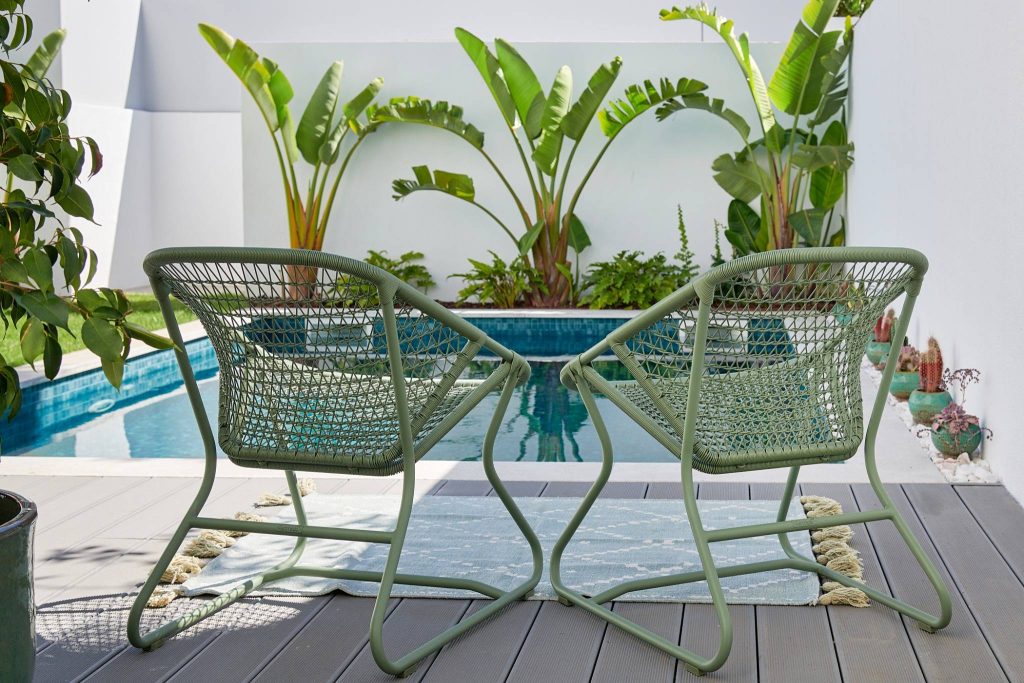
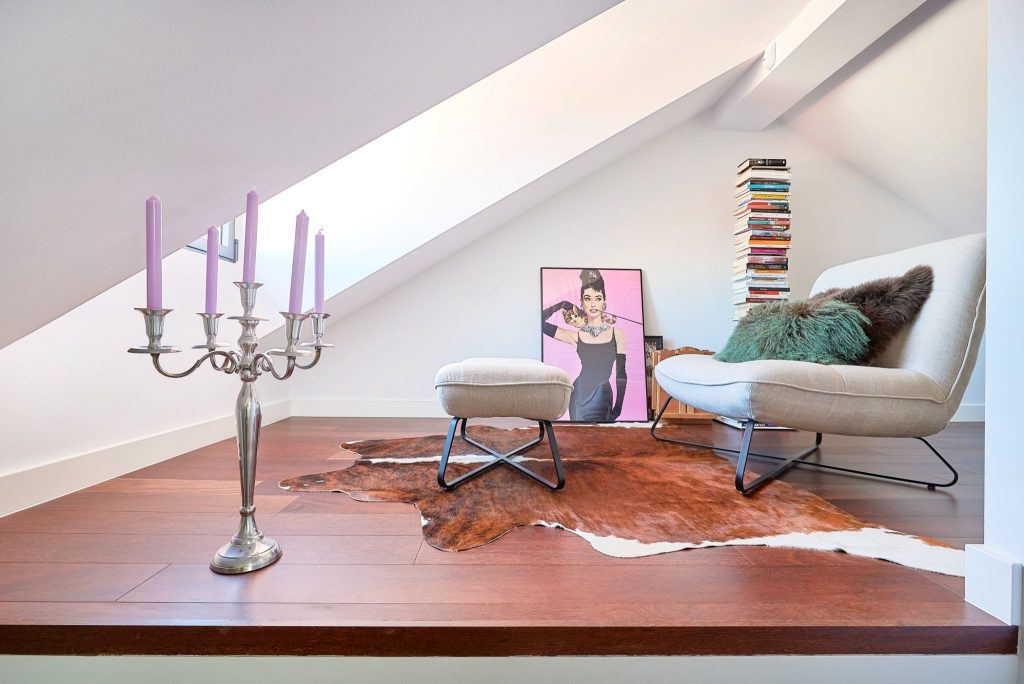
In a residential project, this means understanding the family: their daily routines, the habits that their current space cannot accommodate, the cherished items they plan to keep, and the way they entertain guests at home.
In a corporate project, the conversation changes. What matters is understanding how the team works—both individually and collectively—what kind of culture the company wants the space to convey, whether there are specific needs for acoustic privacy or representation, and how the space needs to function five years from now, not just today.
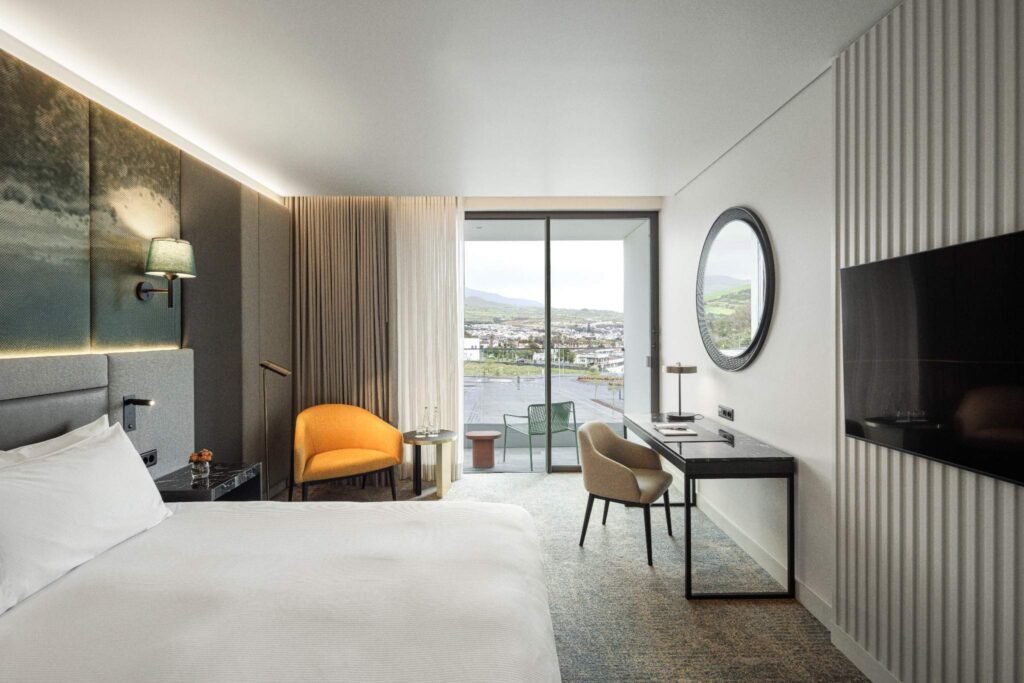
In a hotel or restaurant setting, the questions are different: Who is the guest or customer of this brand? What kind of experience do we want to create from the moment they walk in? How do we manage the operational flow without making it visible? Where are the touchpoints that define the space’s character?
These questions may seem unrelated to design. They are not. They are precisely what enable us to arrive at a design that is coherent not only visually but also functionally—for that specific context.
The questions we ask and what we’re really hearing
At an initial meeting at Atelier Spacemakers, the most important questions are rarely about aesthetics.
For a residential project, we ask whether there are children or pets, whether you work from home, and whether the space is often used for entertaining or serves more as a retreat. We also ask if there are any pieces of furniture with sentimental value. We ask if the client has any visual references—and, if so, what attracts them to those references, because images that resonate with people for different reasons can lead to a confusing brief.
In a corporate project, we ask what the current work model is and what it should be. Whether the hierarchical model has a separate or integrated workspace. How many people use the space, during which shifts, and with what level of mobility. Whether the company’s identity is being communicated intentionally or by default.
In a hotel or restaurant project, we ask what experience the brand wants the customer to remember after leaving. Which operational aspects need to remain out of sight. Which materials and finishes can withstand heavy use without losing their visual appeal. Where are the moments of pause—the points along the customer’s journey where design can create a memorable moment.
What we’re hearing, beneath all the answers, is always the same thing: the gap between what people say they want and what the space needs to provide. Those two things don’t always align. And the studio’s role is to understand both.
What the client should bring to the first meeting
You don’t need to have your references organized or be certain about the style. What makes a first meeting productive is practical information and honesty about what is and isn’t working.
It’s helpful to have at least a rough idea of the available budget. Not for the sake of selection, but because the budget is one of the factors that shapes project decisions. Working without this information is like setting a destination without knowing how long the trip will take.
In corporate and hotel projects, what helps most is having an idea of how the space is used on a day-to-day basis: who moves through it, at what pace, and what needs remain unmet. It doesn’t have to be organized.
What isn't necessary—and often complicates things—is the idea that you have to know what you want before you get there. That's what the process is for—and it's precisely at the beginning of the process that this work begins.
Why this meeting sets the stage for everything that follows
The interior design process consists of a series of interconnected decisions. The choice of a material depends on its actual use. The layout of a space depends on who uses it and how. Color, light, acoustics—every decision has a reason, and that reason goes back to the initial briefing.
When the briefing is solid—when the initial conversation was honest and in-depth—the decisions that follow are well-founded. Revisions are less frequent. Unforeseen issues are easier to resolve because there is a clear guiding principle behind the choices.
When the briefing is superficial, the project loses its way. Every decision becomes an aesthetic preference without a solid foundation—and the result, even if visually coherent, rarely matches what was intended.
What makes a well-run first meeting stand out
A well-run initial meeting ends with the team learning more about the people who will use the space than about the space itself. The space can be measured and photographed. A company’s routines, habits, and culture—or the experience a brand wants to create—can only be understood through conversation.
It also ends with the client feeling that they have been heard—not that they have been persuaded to take a certain course of action, but that their ideas, even the contradictory ones, have been welcomed and will be taken into consideration.
The project begins here. Not with the first sketch, not with the first mood board. It is in this conversation that the space begins to take on a story of its own.
At Atelier Spacemakers, it is through this conversation that everything begins, and it is here that the project—even before it exists—begins to take shape.