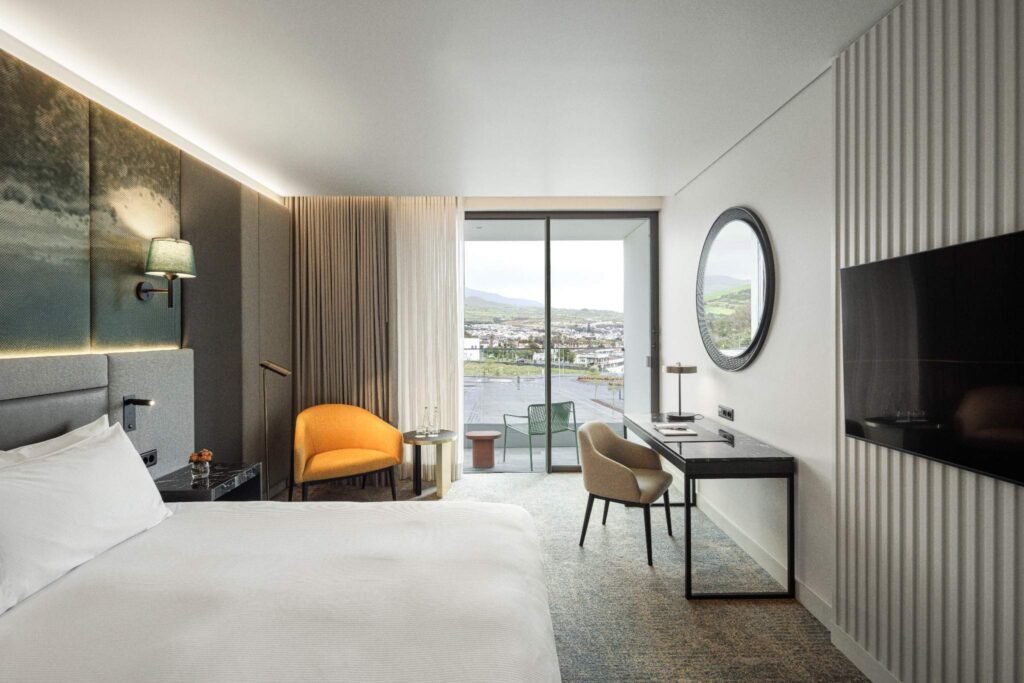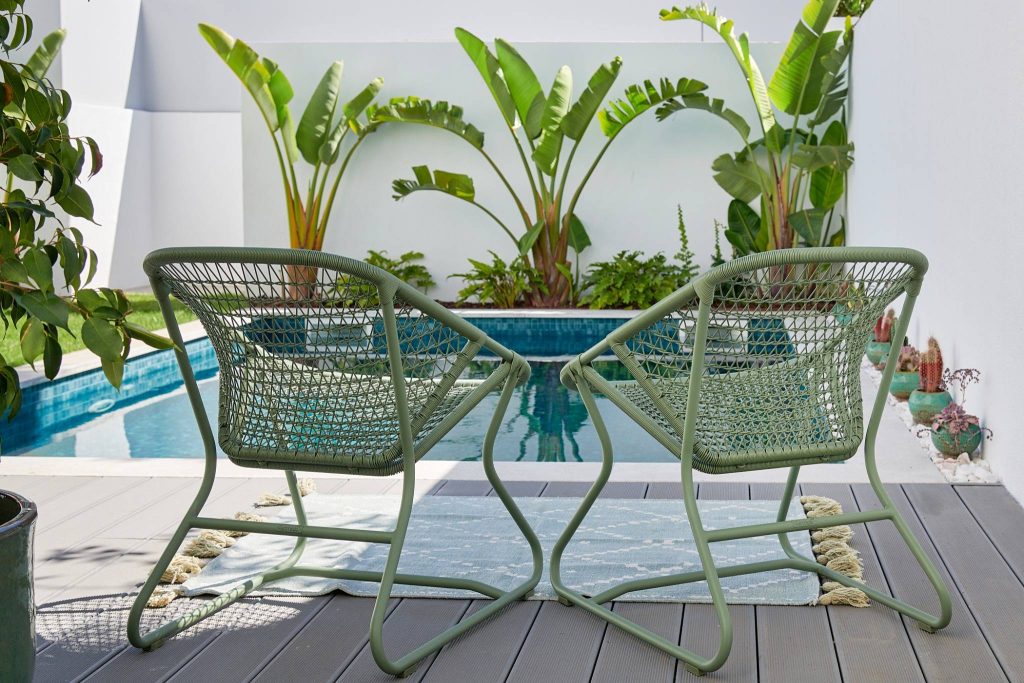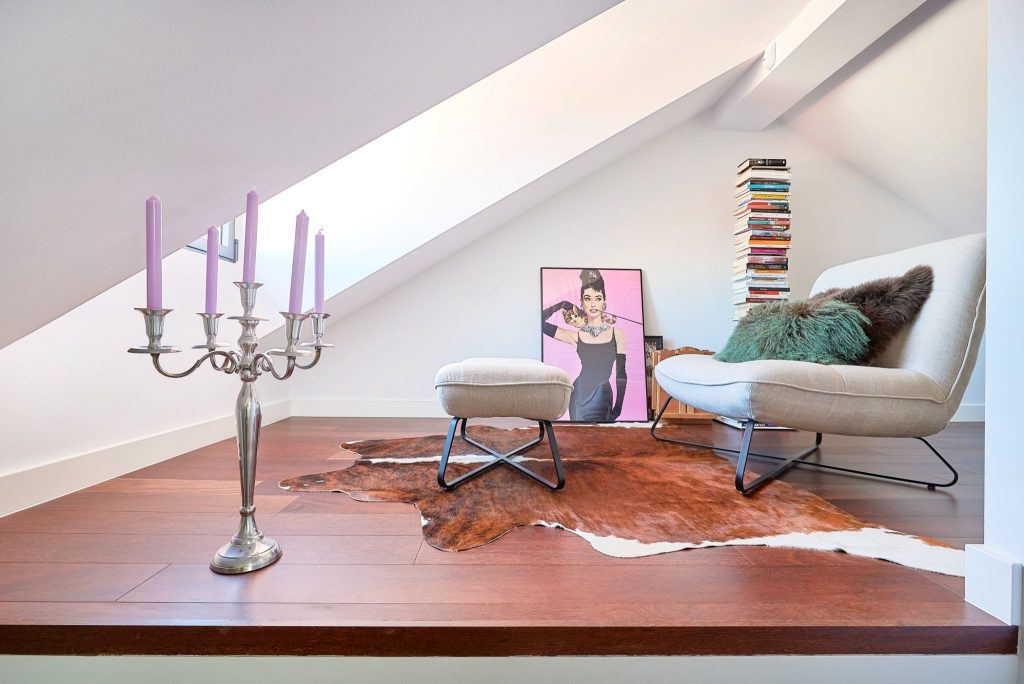
The term “custom interior design” has become commonplace. It is used in many different contexts, applied to processes that vary greatly from one another.
But there is a distinction that is rarely made explicit: the difference between a space that looks right in a photograph and a space that works in the daily lives of those who inhabit it. Between a result that resembles what was intended and a result that is exactly what was needed.
This difference begins with the process. And it is through the process that one recognizes a studio that develops a truly customized project.
What does it really mean to work on a tailor-made basis?
Creating a custom design isn’t about offering customization options from a catalog. It’s about starting with the identity of the people who will live in the space—their routines, their habits, and what they want the space to convey—as a real starting point, not as mere decoration for a pre-determined brief.
It involves an in-depth briefing process before any visual decisions are made. It means that the concept is developed based on the client’s needs rather than selected from a style library. It means that custom pieces are designed when the project warrants it.
And this means that the studio must be able to achieve different results for different clients who occupy similar spaces—because what changes isn’t the space, it’s life.
Signs of a studio with a truly bespoke approach
The process involves clear steps that must be taken before any visual proposal is made. At Atelier Spacemakers, the briefing comes before the mood board, and the mood board comes before any technical proposal; this sequence is non-negotiable, because it ensures that the project starts with the person and not with a library of pre-existing solutions. A studio that presents visual proposals before gathering enough information about who will be living in the space is not creating a bespoke design—it is simply recycling existing solutions.
A design studio doesn’t just validate ideas—it questions them. A good process includes moments when the studio proposes something different from what the client requested, and justifies its decision. A designer’s role isn’t to follow instructions; it’s to offer a well-reasoned perspective. A studio that says yes to everything without asking questions isn’t adding value.
Custom-made pieces are a natural part of the design process, not an extra. In a truly customized project, there are often elements that aren’t available on the market or, if they are, don’t fit that specific space. In such cases, the studio designs them. Not as an optional extra cost, but as part of the process.
The result is recognizable, but it isn’t the same from project to project. A studio with its own identity has a signature style—a way of thinking about space that remains consistent from project to project. What changes is the result: each space responds to the life it will accommodate, not to a catalog of ready-made solutions.
Helpful questions to ask before hiring
Some questions, when asked early on, help you understand how a studio really works—before any visual proposal is made:
How is the initial meeting conducted, and what information does the studio gather before presenting a proposal? Does the process include approval of the technical design before moving forward with construction? How is the construction managed—is there direct supervision, or is it delegated? What is the policy regarding revisions at each stage of the project?
The answers to these questions reveal more about a studio’s working model than any portfolio presentation.
What process consistency entails
True bespoke work requires consistency throughout every stage: the studio does not propose a style before fully understanding the client, does not delegate project management without its own supervision, and does not move on to the next phase without approval of the previous one. Above all: it does not treat two projects as identical, even if they share a budget, building, and similar aesthetic references.
The first meeting is a conversation about the client, not about the studio. A bespoke studio doesn’t start by showing its portfolio. It starts by listening. The portfolio exists to demonstrate technical skill and the quality of execution—not to impose a style on the client.
The budget issue
Custom work doesn’t necessarily mean unlimited budgets. It means being honest about what’s possible within each budget—and the ability to make choices that maximize the available results.
A design studio that truly offers bespoke services is able to adapt the design to the budget without compromising its integrity. What changes is the scope of the work or the materials chosen—not the process, not the attention to detail, and not the alignment with the people who will be living in the space.
What doesn't fit the budget is the attention paid to the process—nor the commitment to ensuring that the result reflects the people who will be using the space.
At Atelier Spacemakers, no two projects are alike. The process is the same—but the result is always unique.