We’re not fans of trend lists. Interior design that stands the test of time isn’t about following what’s in fashion—it’s about responding to the lives of those who inhabit the space. And those lives have their own logic that doesn’t change every year.
That said, there are recurring patterns in our projects. There are questions clients ask today that they didn’t ask five years ago. There are material choices that emerge from project to project, not because they’re featured in the latest interior design magazines, but because they make sense for the way people live today.
The following are observations from our day-to-day work in 2026. Not a list of trends to copy—but an analysis of what is changing, and why.
Customers are asking for more real functionality and less window-dressing
The question that most often shapes briefings in 2026 isn’t “how do I want it to look”—it’s “how do I want it to work.” There is a growing demand for spaces that respond to real life: to remote work taking place in the living room, to children doing their homework in the kitchen, and to the need for storage that isn’t visible.
This translates into projects where functionality isn’t a compromise on aesthetics—it’s the starting point. Where the design of a bookshelf doesn’t begin with its shape but with what it’s meant to hold. Where the kitchen is designed for those who actually cook in it, not for the camera.
It’s not a new trend—it’s a conversation that has gained momentum. And it’s something that most briefings in 2026 start by bringing up.
Less volume, more focus
There is a clear trend toward simplification—not in the aesthetic sense of a particular style, but in the practical sense of owning fewer things and choosing each one carefully.
Customers are more willing to invest in a high-quality piece than to fill a space with several items of shorter-lived quality. Custom-made pieces that solve a specific spatial problem, rather than off-the-shelf furniture that merely comes close to what is needed. Materials that age well, rather than materials that look new for only a short time.
This changes the way a project is budgeted. The cost per unit is higher; the number of units is lower. The result tends to be more consistent and longer-lasting.
Natural materials are gaining ground—for practical reasons
Cork, natural stone, solid wood, linen, natural wool—these materials are nothing new in our projects. What is new is the way they come up in conversation: not as an aesthetic reference, but as a well-founded requirement. Clients know what they want and why.
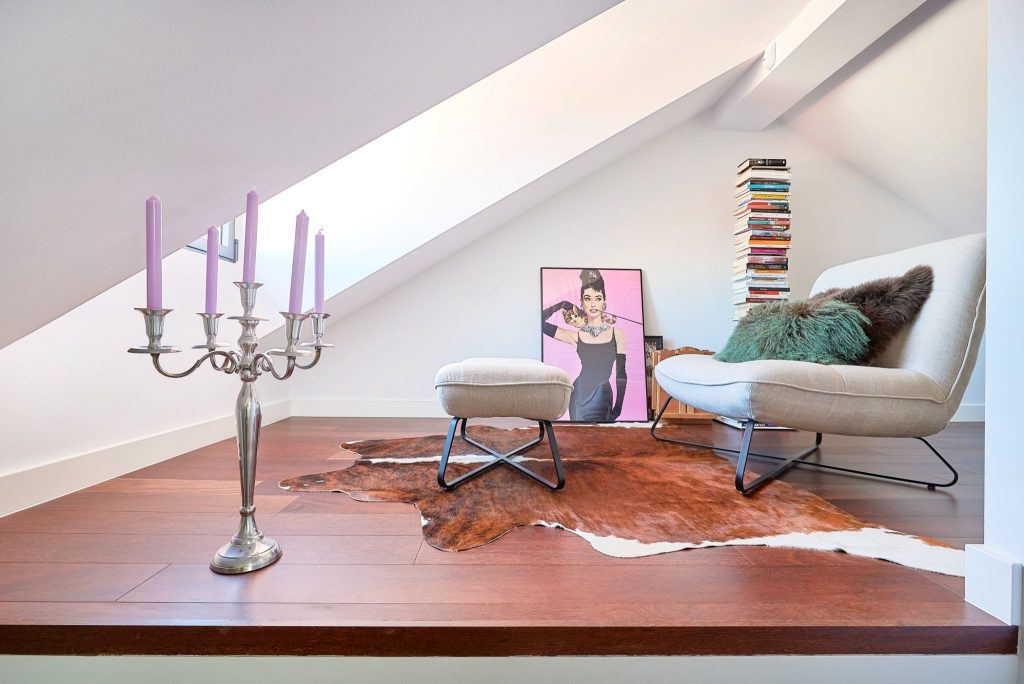
Cork is used for wall and floor coverings due to its acoustic properties and tactile comfort. Stone is chosen for its true durability on high-traffic surfaces—such as kitchen countertops and flooring in wet areas. Solid wood is used for flooring because, unlike laminate, it can be restored when damaged.
There is also greater awareness of how materials will age over time. Customers ask what they will look like in ten years, not just what they will look like when the project is finished. This shift in perspective has a direct impact on their choices.
The relationship between interior and exterior is increasingly becoming a design requirement
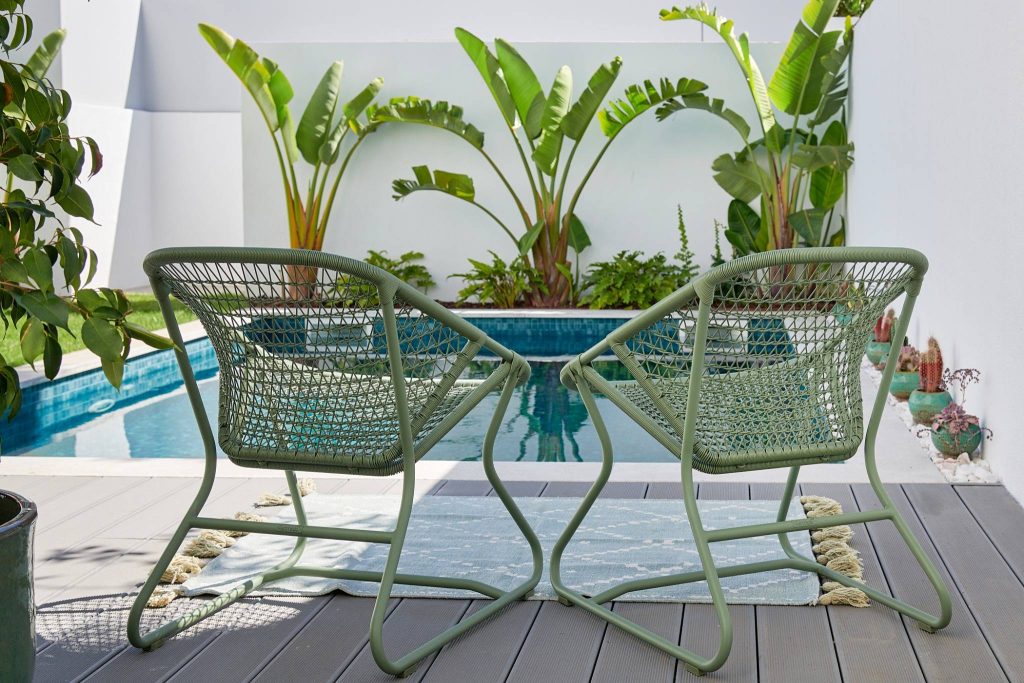
In projects with outdoor access, the question that defines the starting point has changed. Previously, the outdoors was treated as an optional extension. Today, clients come to the initial meeting with a clear idea of how they want the interior and exterior to relate to each other—and the design must respond to this as a coherent whole, not as two projects that merely coexist.
This involves making design choices that create a sense of continuity between the different spaces. It involves a use of light and color that is consistent in both directions. It involves outdoor furniture that is not treated as a secondary consideration—that receives the same attention to detail and quality as the interior.
In Portugal, given our climate, outdoor spaces can be used for more months of the year than in many other European countries. Customers who have outdoor spaces are increasingly treating them as an extension of their home—not as a secondary space.
Natural light as a starting point, not as a given
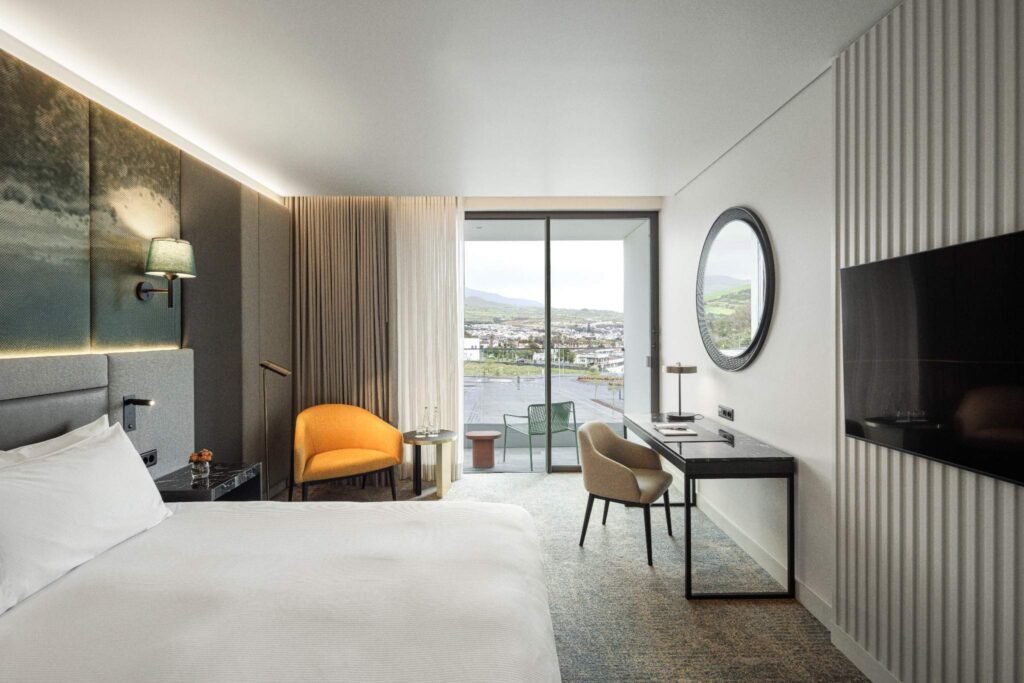
The orientation of a space—where light enters and at what times of day—is increasingly being used as a starting point for design decisions, rather than as a fixed context.
This translates into color choices that respond to the existing light rather than ignoring it. It means decisions regarding window frames and sun protection that are integrated into the design from the very beginning. It also means layouts that do not interfere with the natural flow of light.
This isn’t a new approach—it’s always been the right one. What has changed is that clients now come to the first meeting with a greater awareness of the light in their spaces and with clearer expectations about how the design should respond to it.
What isn't changing
The way the best interior design decisions are made never changes. They start with a genuine understanding of who will be living in the space. They are technically sound. They are designed to last—in the quality of the materials, the consistency of the choices, and the long-term functionality.
Trends come and go. The quality of craftsmanship and the alignment with those who will live in the space endure. That is where we continue to focus our efforts.
At Atelier Spacemakers, we don’t design for project photography. We design for a weekday at 8 a.m., when life in the space truly begins.