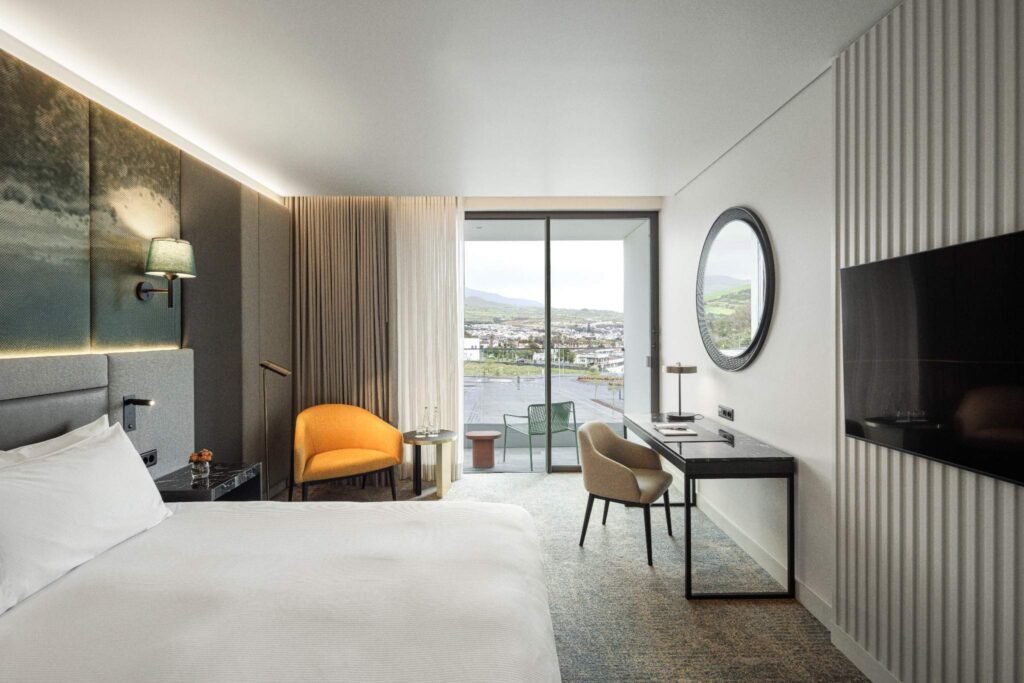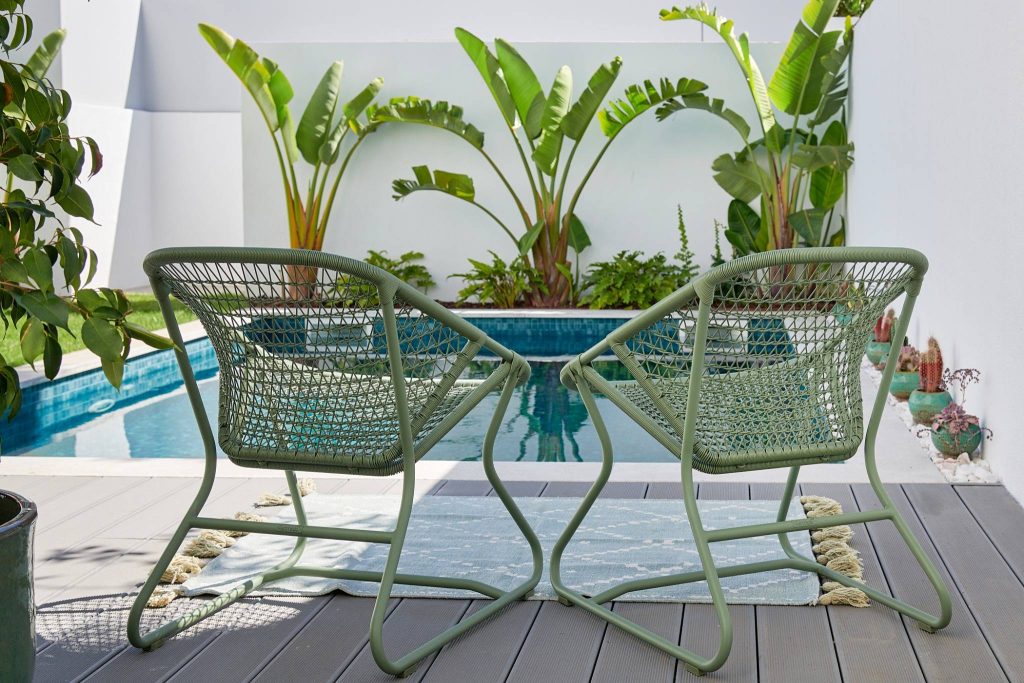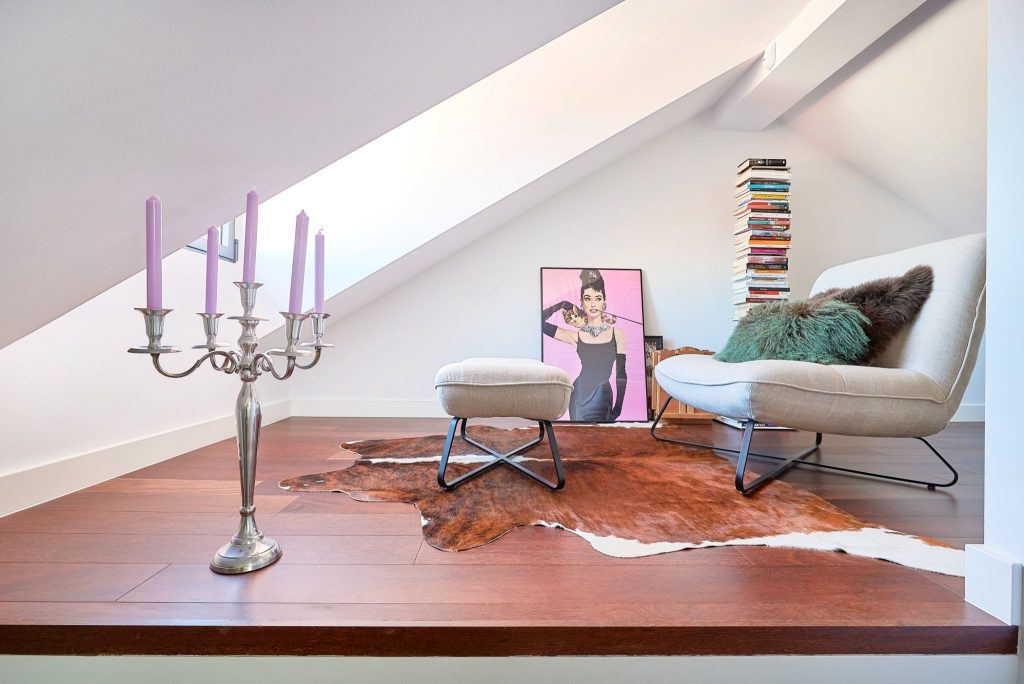


Knowing what to expect, step by step, sets the stage for what really matters: the conversation about what you want to create.
This article describes our process. We believe that an informed client is a more engaged partner, and the most successful projects are always those that make sense to the people who will be using them.
1. Briefing — the conversation that sets everything in motion
An interior design project begins long before any sketches or mood boards. It starts with listening.
At the first meeting, the goal isn’t to present solutions. It’s to understand who will be living in the space: their routines, their habits, what’s missing, and what’s excessive. How is the kitchen used during the week? Are there children or pets? Is natural light a key factor? Is there work to be done at home?
These questions may seem unrelated to design, but they are precisely what enable us to create a design that is not only aesthetically coherent but also works for that specific family at that specific moment in their lives.
2. Concept and mood board — visualizing the space before it exists
Once the briefing is finalized, the ideas begin to take shape in visual form.
A mood board isn’t a design proposal—it’s an exploration of direction. Colors, textures, materials, and references to spaces that evoke the vision we’ve discussed. It’s the moment when the client sees for the first time how their ideas can come to life.
This is an iterative process. We present our ideas, listen to what resonates and what doesn’t, and make adjustments. The aesthetic direction isn’t imposed; it’s developed collaboratively. The goal is to arrive at a concept that makes sense to those who will experience the space.
3. Technical and 3D design — detailed decisions
Once the concept has been approved, the project moves on to the technical phase.
The layout is defined in detail, including how light flows and how the electrical circuits and systems are organized. Finishing materials and furniture are selected; custom-made pieces are designed when the project requires them.
The studio’s technical architectural foundation ensures that what you see in the 3D rendering is exactly what is built on-site—no misinterpretations, no surprises. Every detail is approved at this stage, which prevents changes on-site, which are usually much more costly.
We will not move on to the next phase until the project has been thoroughly validated.
4. Budgeting and scheduling
Once the technical design is finalized, a detailed budget and a project schedule are prepared.
The budget includes estimated costs for construction, materials, furniture, and coordination fees. The studio works with a network of suppliers built up over more than 20 years; it does not specify particular brands, but guides choices based on the quality, lead times, and cost-effectiveness of each option.
The schedule sets the dates for each phase: start of construction, delivery of materials, assembly, and final cleaning. Each step is known before any work begins.
5. Construction and monitoring
It is during the construction phase that many projects lose their coherence. Not because something went wrong on paper, but because the execution requires constant decisions that are not always anticipated.
Atelier Spacemakers closely monitors the construction process: regular site visits, supplier management, inspection of materials upon delivery, and resolution of unforeseen issues. Clients do not need to be familiar with construction jargon to ensure that the project is executed as intended.
This ongoing involvement throughout the project ensures that the final result matches the design.
6. Final delivery
The final step is what gives meaning to all the previous ones.
Upon final handover, the space is complete: every detail has been checked, and every room is ready to be enjoyed. We conduct a walkthrough to confirm that everything is working as intended, and our studio remains available to answer any questions during the post-handover period.
It is also at this moment that one often realizes whether the project was done well—not because of the photographs, but because of the way the people who will live there react when they first walk in.
What changes when you work with a studio that has its own methodology
There is a difference between hiring decorating services and working with an interior design firm that follows a structured process.
It’s a matter of approach. A studio with its own process ensures consistency in all decisions. And it ensures that each step is fully understood before moving on to the next.
In our experience, the projects that go most smoothly are those that start with an honest conversation about what we want to create—and a client who trusts the process as much as the end result.
At Atelier Spacemakers, every detail tells a story. Ours begins by listening to yours.
| To learn how the process works for a specific project, please contact us. |